


How to Build Remote Patient Monitoring Platforms Using Cloud and AI
Introduction
How to Build Remote Patient Monitoring Platforms Using Cloud and AI explains a modern approach for clinicians and developers. This article defines the concept and shows why it matters now. Remote patient monitoring combines sensors, mobile apps, and cloud services to collect clinical data continuously. Current trends include wearable adoption, AI triage, and telehealth integration. For developers and business owners, the opportunity is clear. Cloud platforms lower barriers and reduce initial capital. Artificial intelligence can surface early warnings and automate routine triage. In New Zealand, data residency and privacy are at the forefront of minds, so plan hosting and consent carefully. Designers must craft accessible interfaces for varied users. Clinicians expect secure APIs and interoperable standards like FHIR. Furthermore, the market rewards platforms that prove clinical value and measurable ROI. This guide balances high-level strategy with hands-on steps for production systems.
The Foundation
The foundation of a remote patient monitoring system rests on three pillars: data capture, secure transport, and clinical workflows. First, capture requires reliable endpoints. Use medical-grade IoT sensors, BLE wearables, or smartphone inputs. Next, secure transport moves data to cloud storage via encrypted MQTT or HTTPS channels. Standards matter; adopt HL7 FHIR for interoperability and timestamped events for audit trails. Third, clinical workflows turn raw data into action. Integrate rule engines or AI models for alerts, and link results to EHRs via APIs. Design for resilience with retries, message queues, and dead-letter handling. Also, ensure user authentication and role-based access control. Performance depends on efficient schemas, cached reads, and asynchronous processing. For New Zealand deployments, consider local data residency and comply with the Privacy Act and Health Information Privacy Code. Overall, the design should prioritise safety, scalability, and clear auditability.
Configuration and Tooling
Configuration and tooling demand pragmatic choices. Start with a cloud provider such as AWS, Azure, or Google Cloud. Use managed IoT services like AWS IoT Core or Azure IoT Hub. For real-time ingestion, choose MQTT brokers or WebSocket gateways. Store clinical records in FHIR-compliant stores; consider HL7 FHIR servers or managed healthcare databases. For AI prototypes with TensorFlow, PyTorch, or Hugging Face. Use CI/CD via GitHub Actions, GitLab CI, or Azure DevOps. Design and prototype interfaces in Figma or Adobe XD. Automate tests, security scans, and performance benchmarks before staging. Choose serverless functions for bursty workloads and container orchestration like Kubernetes for predictable scaling. Run synthetic load tests and profile cold starts. Use CDN caching for web dashboards.
- Cloud: AWS, Azure, Google Cloud
- IoT: AWS IoT Core, Azure IoT Hub, MQTT brokers
- AI & ML: TensorFlow, PyTorch, Hugging Face
- Prototyping: Figma, Adobe XD, Sketch
- CI/CD & Observability: GitHub Actions, Prometheus, Grafana
Development and Customisation: How to Build Remote Patient Monitoring Platforms Using Cloud and AI
Development and customisation start with a minimal viable pipeline. First ingest telemetry, then normalise and store it. Next, run lightweight rules and AI inference. Example: a Node.js consumer that accepts MQTT messages and writes FHIR resources. Use Express for REST APIs and a worker for async tasks. Use TLS and token auth in production. Also, add feature flags to control model rollout. For the front end, build responsive dashboards with React, use WebSocket for real-time updates, and apply ARIA for accessibility. Prototype visuals in Figma before coding. Optimise performance by batching writes and using background jobs. Monitor latency and error budgets and tune autoscaling policies. Finally, write integration tests that simulate sensor loss and network jitter. See the snippet below for a minimal handler and FHIR write.
const mqtt = require('mqtt');
const axios = require('axios');

const client = mqtt.connect(process.env.MQTT_URL);
client.on('connect', () => client.subscribe('devices+telemetry'));

client.on('message', async (topic, message) => {
  const payload = JSON.parse(message.toString());

  const fhir = {
    resourceType: 'Observation',
    status: 'final', /* map payload */
  };

  await axios.post(process.env.FHIR_SERVER + '/Observation', fhir, {
    headers: {
      Authorization: `Bearer ${process.env.FHIR_TOKEN}`
    }
  });
});
Real-World Examples / Case Studies: How to Build Remote Patient Monitoring Platforms Using Cloud and AI
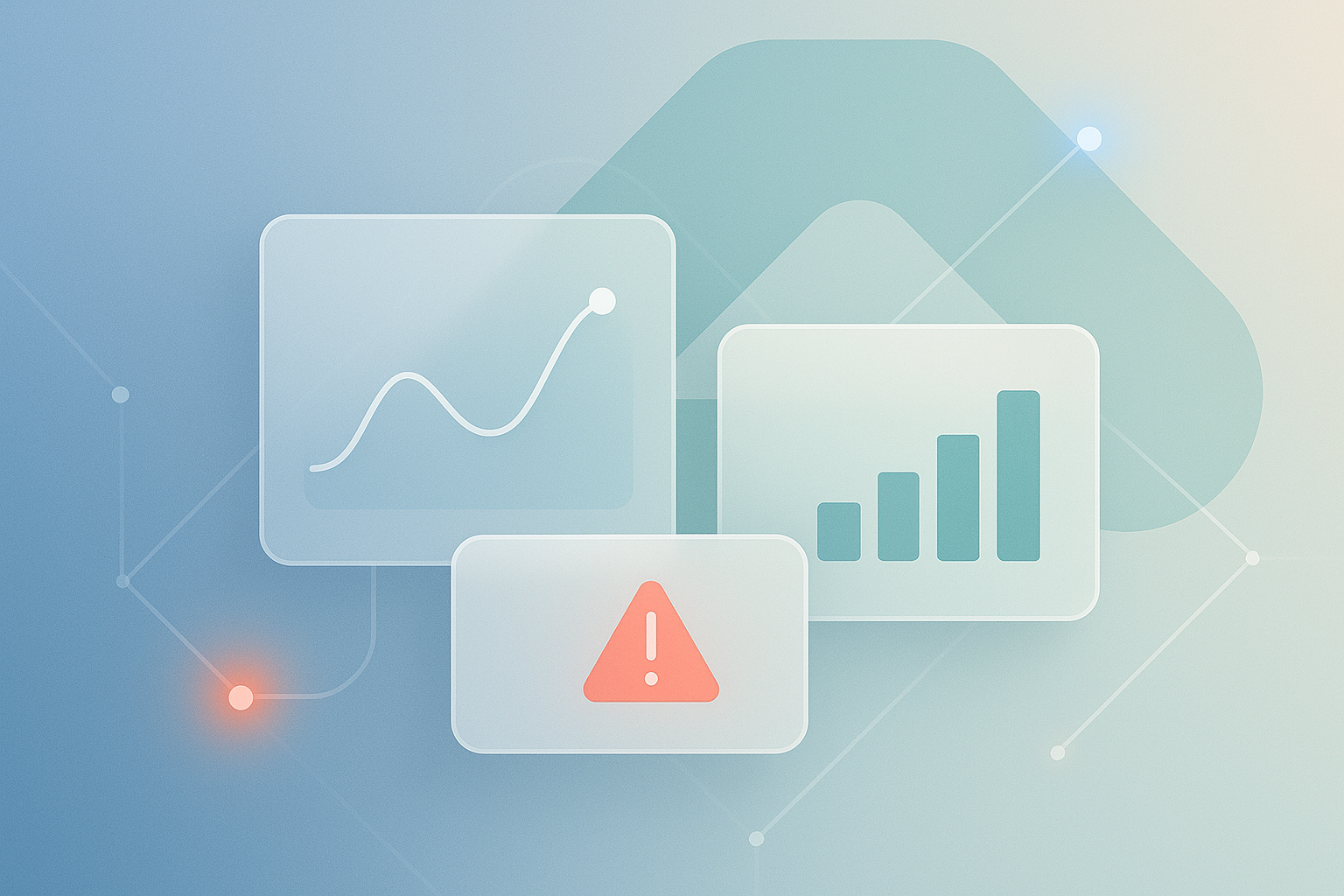
Real-world examples show impact and ROI. A Kiwi diabetes pilot reduced clinic visits by using wearables, automated alerts, and clinician dashboards. Another case used cloud-based ECG streaming with AI arrhythmia detection and reduced time-to-diagnosis. In each case, the platform combined device telemetry, FHIR integration, and clinician workflow triggers. Visuals should highlight timeline graphs, alert feeds, and patient summaries. Prototype screens in Figma and validate with clinicians. For designers, use clear colour semantics, large touch targets, and motion sparingly. Performance matters; frame rendering under 100 ms improves perceived responsiveness. Cost benefits come from reduced admissions, fewer manual reviews, and better triage. For compliance, keep audit logs and consent records. In New Zealand, partner with district health boards for pilots and prefer local hosting to meet expectations. Include KPIs such as reduced A&E visits, time-to-intervention, and patient adherence. Make screenshots portfolio-ready.
Checklist
Checklist items help you ship reliably. Start by documenting clinical requirements and consent flows. Build a security-first architecture with end-to-end encryption, least privilege, and regular pen tests. Validate devices and calibrate sensors against clinical standards. Implement FHIR mapping and automated data validation. Add observability: metrics, traces, and logs with alerting thresholds. Test failures with chaos experiments and network throttling. Ensure accessibility, localisation for New Zealand users, and simple onboarding. Keep deployments reproducible with IaC and immutable artefacts. Run continuous performance tests and set an error budget. Finally, measure adoption, clinical outcomes and cost savings to prove ROI. Avoid storing unnecessary data, hardcoding secrets, and delaying audits. Prioritise iterative pilots and clinician feedback. Do maintain a threat model and update it quarterly. Do automate compliance reporting and keep consent UI simple. Don’t sacrifice usability for security; balance both. Log change history and provide clinician training.
- Do: Automate compliance reporting; run pen tests.
- Do: Use IaC, key management, and observability.
- Don’t: Store surplus personal data or hardcode secrets.
- QA: Simulate sensor loss, jitter, and offline modes.
Key takeaways
- Start with clear clinical needs and measurable KPIs.
- Use managed cloud and local regions for NZ data residency.
- Prototype in Figma and test with clinicians early.
- Prioritise security, FHIR interoperability, and explainable AI.
Conclusion
The conclusion summarises practical steps and invites action. Begin by validating clinical need and building a secure ingestion pipeline. Use managed cloud services in nearby regions for data residency and lower latency. Prototype UX in Figma and test with clinicians early. Deploy incremental pilots, measure KPIs, and iterate. Integrate AI for triage and prioritise explainability to win clinician trust. Monitor costs and optimise by batching, serverless patterns, and autoscaling. For New Zealand projects, engage local DHBs and follow the Privacy Act and Health Information Privacy Code. Spiral Compute Limited can help with architecture, prototyping, and cloud migrations if required. Finally, remember that success depends on multidisciplinary teams, reproducible deployments, and clear outcome metrics. Start small, measure impact, and scale when you demonstrate clinical value and positive ROI.