



SEO Mistakes NZ Small Businesses Still Make in 2025
Introduction
In 2025, many New Zealand small businesses still make common SEO mistakes. This oversight severely impacts their online visibility and growth potential. Building a strong digital presence is no longer optional; it is fundamental for success. Search engine optimisation (SEO) enhances your website’s visibility when people search for products or services related to your business on Google. For local businesses, this ensures potential customers easily discover you in a crowded market. Therefore, understanding and rectifying these prevalent errors is paramount for any NZ business owner aiming to thrive online.
The Foundation: Understanding Common SEO Mistakes in NZ
Many businesses overlook fundamentals, leading to common SEO mistakes NZ small businesses frequently encounter. A significant oversight involves neglecting robust local SEO for NZ businesses. This means failing to properly optimise for crucial geographic searches. People often search for “plumber Auckland” or “cafe Wellington CBD”. Your website must clearly signal its precise location and service areas. Another frequent error is ignoring mobile responsiveness. Most New Zealanders access the internet via smartphones. A poorly performing mobile website quickly loses valuable search rankings. Furthermore, outdated or “black-hat” SEO tactics, like keyword stuffing, can penalise your site. These are ineffective and damage your online reputation.
Configuration and Tooling: Smart Solutions for NZ Businesses
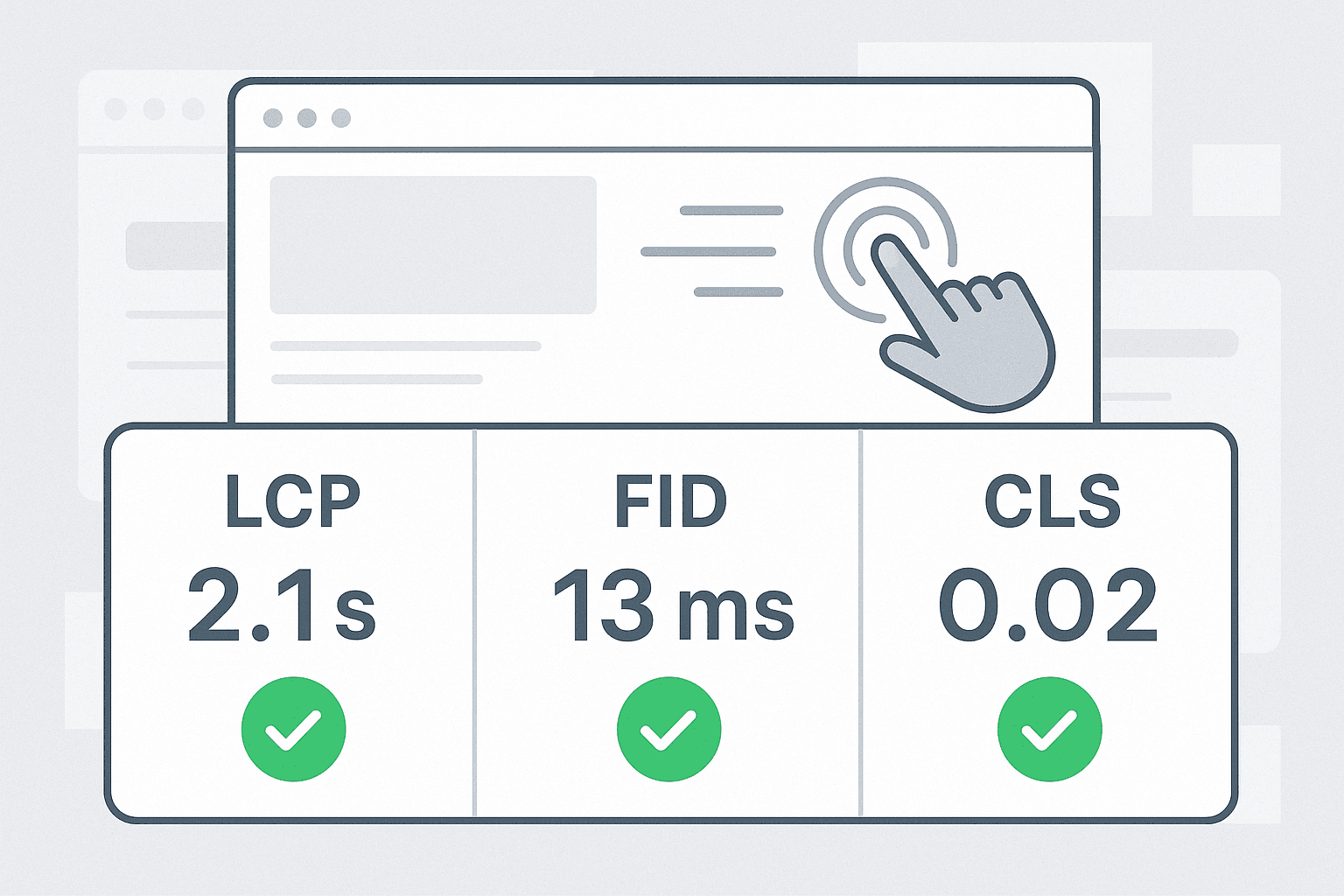
Effective SEO demands the right tools and configuration. A common mistake is not setting up Google Analytics or Google Search Console. These free platforms provide invaluable insights into website performance, showing how users find you, what terms they use, and any technical issues. Neglecting your Google My Business profile is a huge missed opportunity for local visibility. Claim and optimise this listing with accurate information, photos, and reviews. For performance, tools like Google Lighthouse or GTmetrix identify speed bottlenecks. Slow page loading negatively impacts user experience and rankings. Implementing structured data, often JSON-LD, is another powerful, overlooked configuration, helping search engines understand your content better.
<script type="application/ld+json">
{
  "@context": "https://schema.org",
  "@type": "LocalBusiness",
  "name": "Spiral Compute Limited",
  "address": {
    "@type": "PostalAddress",
    "streetAddress": "Level 1, 6 Johnsonville Road, Johnsonville",
    "addressLocality": "Wellington",
    "addressRegion": "Wellington",
    "postalCode": "6037",
    "addressCountry": "NZ"
  },
  "url": "https://static.spiralcompute.co.nz",
  "telephone": "+64 272 200 800",
  "image": "https://www.spiralcompute.co.nz/logo.png",
  "priceRange": "$$",
  "openingHoursSpecification": [
    {
      "@type": "OpeningHoursSpecification",
      "dayOfWeek": [
        "Monday",
        "Tuesday",
        "Wednesday",
        "Thursday",
        "Friday"
      ],
      "opens": "08:00",
      "closes": "18:00"
    }
  ]
}
</script>
Many small businesses, often due to DIY builders, overlook crucial technical SEO mistakes. Firstly, ensure your website uses HTTPS. This is a non-negotiable security and ranking factor. Secondly, implement clean, semantic HTML. Search engines favour well-structured content. Optimising images is also vital. Large, uncompressed images significantly slow page load times. Use modern formats like WebP and include descriptive alt attributes. Furthermore, effective internal linking helps search engines discover content and passes link equity. Avoid broken links or orphan pages. Lastly, ensure URL structures are descriptive and user-friendly. A URL like yourbusiness.co.nz/services/web-design is far better.
<!-- Incorrect example, too short/generic -->
<meta name="description" content="Best plumbers in NZ. Call us today.">

<!-- Correct example, descriptive and uses keyphrases naturally -->
<meta name="description" content="Local Auckland plumbers providing reliable, emergency services for homes and businesses. We fix common plumbing issues and offer competitive rates across NZ. Get a free quote!">
Let’s consider a common scenario for an NZ small business. Imagine “Kiwi Kicks”, a Christchurch sneaker shop. Their website is attractive but lacks local SEO for NZ businesses. They haven’t claimed their Google My Business profile. Product descriptions are generic, missing specific keywords like “Christchurch sneakers” or “NZ-made trainers”. Consequently, local customers are directed to larger chain stores. The fix is straightforward: Claim and verify Google My Business. Update descriptions with geo-specific keywords. Add the local address and phone number prominently. Another example involves “Coastal Crafts”, a boutique selling handcrafted items from Coromandel. Their site is beautiful but incredibly slow due to large, unoptimised images. Customers bounce before pages load, impacting sales.
To rectify Coastal Crafts’ issues and avoid typical SEO mistakes NZ small businesses make, they need image optimisation. Use a tool like ImageOptim or an online compressor to reduce file sizes without compromising quality. Implementing a Content Delivery Network (CDN) like Cloudflare, with NZ-based edge servers, would drastically improve loading times for global and local audiences. Furthermore, consider a mobile-first design NZ approach. Many New Zealanders browse while commuting. If Coastal Crafts’ site isn’t responsive, users on phones will struggle, leading to high bounce rates. Optimising for touch interfaces and faster mobile load times boosts engagement. These changes enhance user experience and search rankings.
Checklist: Preventing SEO Mistakes for Your NZ Business
To ensure your NZ small business proactively avoids these prevalent SEO pitfalls, use this actionable checklist. Regularly reviewing and implementing these critical points will help you sustain a robust online presence. It will also consistently attract valuable local customers, boosting engagement and sales. Remember, SEO is fundamentally an ongoing process that demands continuous attention and adaptation, not merely a one-off task. This proactive approach improves your search engine rankings and significantly enhances overall user experience (UX). Ultimately, a well-optimised site leads to higher engagement rates and a better return on investment (ROI) for all your digital marketing efforts. Implementing these essential steps effectively will genuinely distinguish your business online.
- Localise Your Presence:
- Claim and optimise your Google My Business profile with accurate, up-to-date information.
- Incorporate local keywords (e.g., “Wellington web design”) into your content.
- Ensure your Name, Address, and Phone (NAP) details are consistent across all online listings.
- Prioritise Performance:
- Regularly check your site speed using Google Lighthouse or GTmetrix.
- Compress images and use modern formats (e.g., WebP) to speed up loading.
- Minify CSS and JavaScript files.
- Optimise Content & Keywords:
- Conduct thorough keyword research relevant to your NZ audience.
- Create high-quality, valuable content that answers user questions.
- Ensure your titles, headings, and meta descriptions are compelling and keyword-rich.
- Enhance User Experience (UX):
- Implement mobile-first design NZ principles for seamless browsing on all devices.
- Ensure intuitive navigation and a clear site structure.
- Minimise pop-ups and intrusive elements.
- Technical SEO Fundamentals:
- Use HTTPS for all pages.
- Submit your sitemap to Google Search Console.
- Implement structured data (schema markup) where appropriate (e.g., for local business details and products).
- Fix broken links and resolve crawl errors reported in Search Console.
Key Takeaways:
- Local SEO is crucial for NZ businesses.
- Mobile responsiveness is a non-negotiable ranking factor.
- Use Google Analytics and Search Console for insights.
- Optimise images and implement HTTPS for performance.
- Regularly review your site for technical and content errors.
Conclusion
Avoiding common SEO mistakes NZ small businesses still make in 2025 is vital for digital success. Embracing proper, modern SEO practices significantly enhances online visibility. It also attracts more local customers and ultimately drives greater revenue. Remember that SEO is an ever-evolving field. Therefore, staying consistently informed, learning, and adapting your strategies is always key. Applying these fundamental principles and effectively utilising the right tools offers substantial return on investment (ROI). It also ensures your business remains highly competitive and relevant within New Zealand’s dynamic online marketplace. Start implementing these crucial changes today. Your future, engaged customers are actively searching for you right now.