


00:00
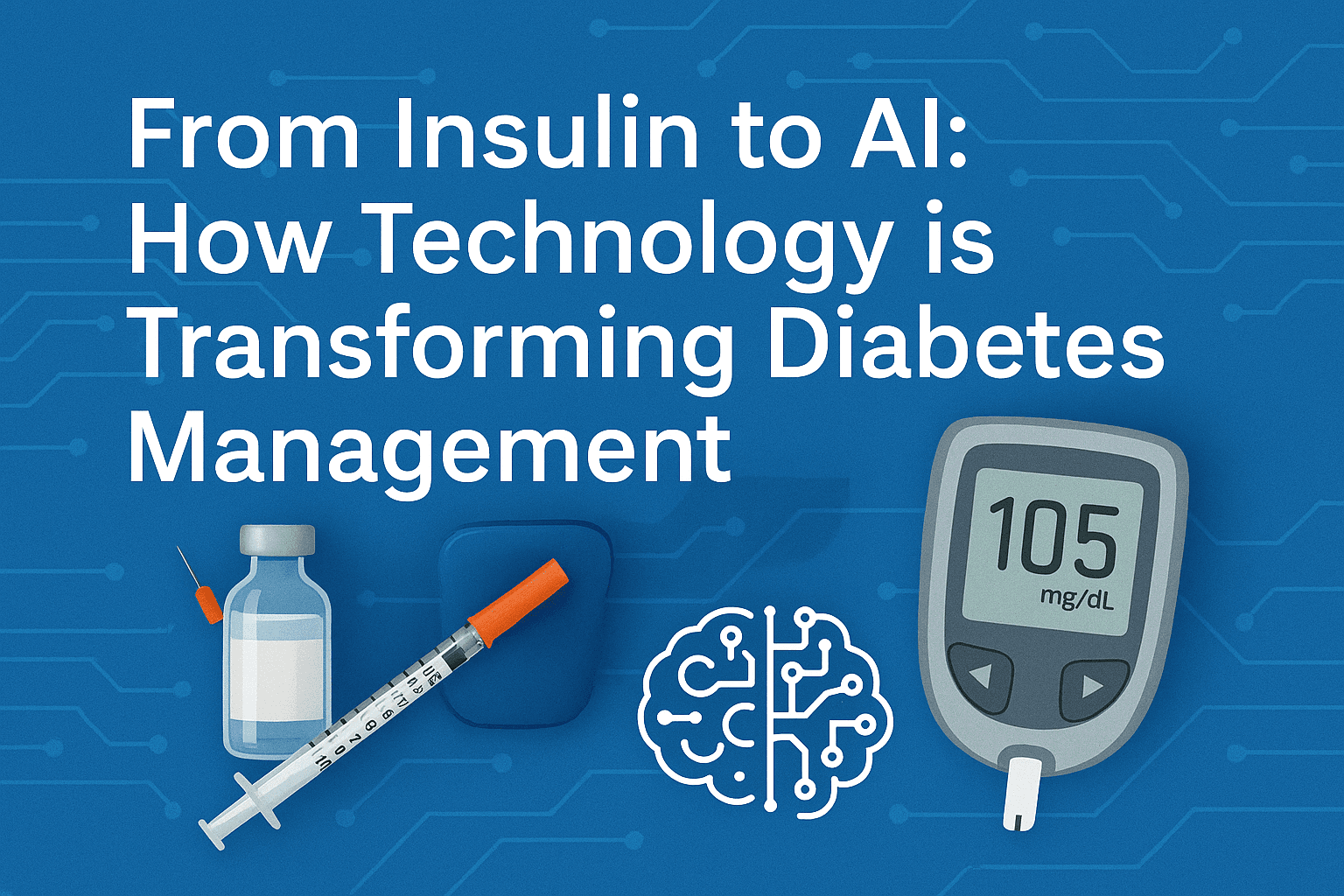
Diabetes is a chronic condition that affects how the body processes blood glucose. According to the International Diabetes Federation (IDF), more than 537 million adults were living with diabetes in 2021, and that number is projected to increase to 643 million by 2030 and 783 million by 2045. Effective diabetes management is critical to avoiding complications, and thanks to rapid technological advancements, this task has become increasingly manageable.
Whether it’s continuous glucose monitors (CGMs), mobile health apps, connected insulin pens, or AI-based predictive systems, today’s digital tools are revolutionising diabetes care. The global market for diabetes technologies is projected to exceed $55 billion by 2028, reflecting growing adoption and innovation across clinical and home settings.
Understanding Diabetes: What It Is and Why It Matters
Diabetes impairs the body’s ability to produce or effectively use insulin, a hormone that allows glucose to enter cells for energy. Poorly controlled diabetes leads to elevated blood glucose levels (hyperglycemia), which can cause long-term organ damage.
The Main Types:
- Type 1 Diabetes (T1D): An autoimmune condition in which the pancreas stops producing insulin. It typically appears in childhood or adolescence but can develop at any age.
- Type 2 Diabetes (T2D): Characterised by insulin resistance and eventual insulin deficiency. Strongly linked to lifestyle factors and the most common form worldwide.
- Gestational Diabetes: Develops during pregnancy and increases the mother’s risk of developing Type 2 diabetes later in life.
- Other Forms: Maturity-Onset Diabetes of the Young (MODY), Latent Autoimmune Diabetes in Adults (LADA), and drug or disease-induced forms.
Why Management Is Crucial:
Uncontrolled diabetes increases the risk of complications, including cardiovascular disease, kidney failure, diabetic retinopathy, neuropathy, and amputations. Quality of life may also suffer due to fatigue, mood changes, and frequent infections. This is why effective, data-driven management is so vital.
A Quick Look Back: How Far We’ve Come
In the early days, diabetes management relied on urine tests and manual insulin injections with minimal guidance. The introduction of blood glucose meters in the 1980s allowed for more accurate monitoring. Devices like the OneTouch Ultra (LifeScan) and Accu-Chek (Roche) set early standards. – MiniMed 502 (Medtronic) introduced early insulin pump therapy, improving delivery accuracy.
Further milestones included: – CGMs: Systems like Dexcom G6 and Abbott FreeStyle Libre revolutionised continuous monitoring without routine finger-pricks. – Apps and Cloud Sharing: Platforms like Tidepool, Nightscout, and MySugr enabled data visualisation and remote care.
Where We Are Today: Smart, Connected, and User-Friendly
Contemporary diabetes technology is highly personalised. Smart insulin pens such as InPen (Medtronic) and NovoPen 6 (Novo Nordisk) automatically log insulin doses and integrate with apps to provide real-time dosing recommendations and reminders.
CGMs like Dexcom G7, FreeStyle Libre 3, and Eversense E3 now offer real-time data streamed to smartphones and smartwatches. Alerts for hypo- and hyperglycemia allow for rapid intervention. Some CGMs are factory-calibrated, reducing the need for finger-stick confirmation.
Closed-loop insulin delivery—or “artificial pancreas” systems—represents a major leap. Devices like the Tandem t:slim X2 with Control-IQ and Insulet’s Omnipod 5 integrate CGMs with pumps and algorithms to deliver insulin automatically based on current and predicted glucose levels.
Apps like Glooko, One Drop, and Livongo consolidate glucose data with fitness tracking, dietary logs, and medication schedules. These tools empower users and clinicians to recognise trends, adjust therapies, and maintain optimal glycaemic control.
How Hardware and Software Work Hand in Hand
Today’s diabetes ecosystem thrives on integration. Devices collect granular physiological data. Software turns that into meaningful insights and actions.
For example, a Dexcom G7 CGM may stream readings to a smartphone app every 5 minutes. That data is analysed by Control-IQ software to adjust basal insulin delivery through the Tandem pump. If an activity tracker notes exercise or elevated heart rate, it can inform temporary insulin adjustments.
Apps like MySugr or Glooko incorporate dietary inputs and sync with devices like Apple Health or Fitbit to track the impact of nutrition, sleep, and activity. AI algorithms then suggest behavioural changes or alert users and providers of risky patterns.
On the provider side, cloud-based portals enable real-time monitoring. Clinicians can review trends remotely, reducing the need for frequent in-person visits while enhancing care personalisation.
The Road Ahead: What to Expect from 2025 to 2030
Between 2025 and 2030, technology will take diabetes care from reactive to predictive:
- 2025–2026: AI-powered platforms like CamAPS FX and Diabeloop DBLG1 will expand, providing adaptive insulin delivery personalised to user behaviour. Cloud connectivity will improve accessibility.
- 2026–2027: Commercialisation of non-invasive CGMs is anticipated from companies like Know Labs (UBAND), Apple (Apple Watch), and SugarBEAT (Nemaura), offering needle-free monitoring through spectroscopy or bioimpedance.
- 2027–2028: Wearables from Fitbit, Garmin, and Samsung will embed glucose trend sensors, hydration monitors, and stress indicators. Apps will prompt users to take preventative action before glucose rises or drops.
- 2028–2029: Genomics and AI will converge. Companies like Amalgam Rx are exploring precision dosing platforms that combine genetic, behavioural, and environmental data to personalise therapy.
- 2029–2030: Multi-hormone pumps (e.g., insulin + glucagon) will emerge. Open-source software like Loop may become more regulated and accessible globally, supporting underserved regions.
Why It All Matters: The Big Picture
Technology in diabetes care is not about gadgets—it’s about outcomes. Studies confirm that CGMs reduce HbA1c levels and hypoglycemia risk. Closed-loop systems improve time-in-range. Remote monitoring boosts adherence and engagement.
- This means fewer hospitalisations, lower costs, and greater independence for patients.
- For providers, it means proactive care.
- For healthcare systems, it means scalable solutions.
Psychologically, users gain peace of mind. Nighttime lows are caught early. Travel becomes less stressful. Parents of children with T1D can monitor data in real-time.
Ultimately, tech creates partnerships between patients, caregivers, clinicians, and data. It shifts diabetes from a burden to a manageable routine.
In Summary
We’ve moved from reactive care to predictive, personalised support. Devices like Dexcom, Omnipod, and Tandem pair seamlessly with apps like Glooko, MySugr, and Livongo. The result is smarter, safer, more efficient diabetes management.
As AI, genomics, and non-invasive tools mature, the line between medical care and daily life continues to blur, for the better. Empowered by technology, people with diabetes can live fuller, freer lives.